
Surface Preparation Before Painting
Surface Preparation Before Painting
A good paint finish starts well before the first full coat is applied. Careful surface preparation before painting helps create a cleaner, more consistent foundation and allows the painter to address the actual condition of walls, ceilings, timber and exterior surfaces before finishing begins.
For property owners in Brabham and across Perth, understanding this preparation process can also make it easier to compare quotes and know what may be involved in a professional painting project.
Why Surface Preparation Comes First
Paint is applied over whatever condition already exists underneath it. That surface may be clean and sound, or it may have loose paint, small holes, minor cracks, uneven areas or sections that require priming.
This is why experienced painters assess the surface instead of assuming every project needs exactly the same preparation.
The amount of work required can depend on factors such as:
- the age and condition of the existing coating
- whether paint is loose or peeling
- small holes or minor imperfections
- the type of surface
- previous repairs
- moisture history
- the new paint or coating being considered
- the finish the customer wants to achieve
Some areas may require only straightforward preparation. Others may need several steps before painting can begin.
Cleaning Helps Create a Suitable Starting Surface
Dust, dirt and other surface contamination can affect how a painting project is approached.
Cleaning may therefore be one of the first steps when preparing walls or other surfaces for paint. The method depends on where the surface is located and its condition.
Interior areas may require basic cleaning before further preparation. Exterior surfaces can need a different approach because they are exposed to outdoor conditions.
Pressure cleaning may also be appropriate as part of painting preparation on certain surfaces. It should be selected according to the project rather than treated as an automatic step for every property.
The aim is to provide a suitable surface for the preparation and coating system that follows.
Sanding Can Improve the Surface Before Repainting
Sanding walls before repainting can serve several purposes.
It may help smooth filled areas, reduce rough edges or prepare an existing coating for the next stage. Sanding can also help create a more even transition where minor surface repairs have been completed.
The required amount varies considerably.
A wall in good condition may need relatively little attention, while older or more heavily used areas may require more detailed preparation.
Good preparation is not about sanding everything aggressively. It is about using the appropriate method for the particular surface.
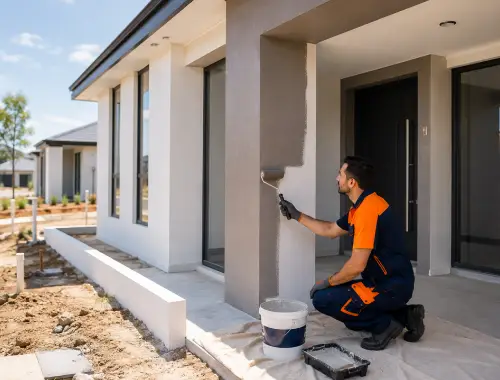
Loose or Peeling Paint Needs Attention
Painting directly over loose material can leave the new finish sitting on an unstable layer.
Where paint is already peeling or flaking, loose sections may need to be scraped or otherwise prepared before repainting continues. The surrounding edges may then require further attention so the surface is ready for the next stage.
The underlying cause also matters.
If a surface has experienced significant moisture, structural movement or another issue outside normal painting work, simply applying more paint may not address the real problem. Some situations may need assessment or work by another appropriate trade before painting proceeds.
A professional painter should be able to recognise the limits of normal painting preparation.
Small Holes and Minor Imperfections Can Be Prepared
Everyday use can leave walls and other painted surfaces with small holes, cracks or minor imperfections.
Suitable painting preparation may include filling, minor patching or crack repairs where they fall within the normal painting scope. Once these areas have been prepared, they may need sanding or priming before the finishing coats are applied.
This is one reason two apparently similar rooms can require different amounts of preparation.
A recently painted room in good condition may be relatively straightforward. An older room with previous fixings, minor cracking and surface wear may need additional attention first.
Priming Has a Specific Purpose
Priming before painting is not simply an extra coat added to every project.
A primer or spot primer may be used when the surface or existing condition requires it. Priming can be relevant for bare or repaired areas, certain previously painted surfaces and situations where a suitable base is needed for the proposed coating system.
Sealing may also be appropriate for some surfaces.
The important point is that primer selection should follow the condition of the surface and the requirements of the project. Applying the same preparation system everywhere is rarely the most thoughtful approach.
Preparation Can Affect the Appearance of the Finish
The final colour is only one part of how painted surfaces look.
Light, sheen and surface condition can all influence the appearance of completed paintwork. More reflective finishes can make minor imperfections easier to notice, which can make careful preparation particularly important on doors, trims or other detailed areas.
Even lower-sheen finishes benefit from a properly assessed foundation.
Preparation cannot make every older surface completely new, but it can help create a more appropriate base for the chosen coating and finish.
Preparation Also Helps Produce a Clearer Quote
Surface condition can influence both the work required and the overall project cost.
That is why a painting quote should consider more than the number of rooms or the size of the property. Preparation requirements may change according to existing paint condition, access, minor repairs, priming needs and the desired finish.
When possible, an assessment can help identify these factors before the project begins.
Customers comparing quotes should therefore look beyond the final price and ask what surface preparation has been allowed for.
A cheaper quote and a more detailed quote may not necessarily include the same scope.
Know the Limits of Painting Preparation
Professional painting preparation has practical boundaries.
Minor filling, small patching and other painting-related repairs may be handled as part of preparing a surface. Major plastering, structural repairs, extensive damage or mould remediation are different matters and may require the appropriate specialist trade.
Previously water-damaged areas can sometimes be prepared for painting once the underlying issue has been properly addressed. Likewise, a surface affected by mould may be considered for painting preparation after suitable professional treatment where required.
Recognising these boundaries helps keep the project focused on work that can be completed appropriately.
A Thoughtful Start Supports Better Paintwork
Surface preparation before painting is not one fixed checklist that applies to every property. The right approach depends on the surface, its existing condition, the environment and the finish being planned.
Brabham Pro Painters assesses preparation requirements according to the individual project. Work may include cleaning, sanding, scraping, filling minor imperfections, minor patching, priming, sealing and other appropriate preparation before painting and finishing.
If you are planning painting work in Brabham or elsewhere across the Perth metropolitan area, contact Brabham Pro Painters for a free project-specific quotation. We can assess the surfaces, discuss the preparation required and explain the proposed scope before work begins.