
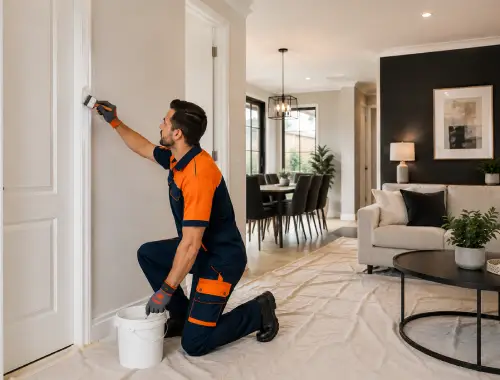
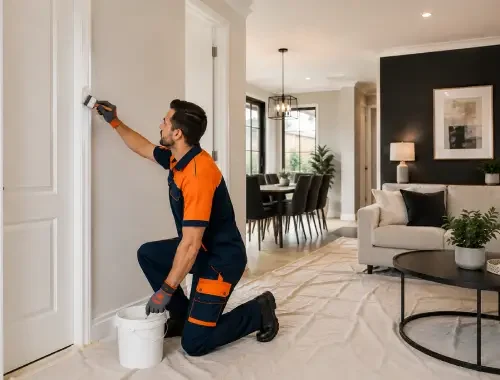
Interior trim and door frame painting for clean finishing details

Interior Painting

Interior painting can refresh tired rooms, update colour schemes and give indoor surfaces a cleaner, more consistent finish. Brabham Pro Painters handles interior painting for existing properties and suitable residential projects across Brabham and the wider Perth metropolitan area. 

Work can cover walls, ceilings, doors, windows and trims, with preparation, repainting, finish selection and specialist decorative options considered according to the project.

Experience Behind the Finish

Why Choose Us for Interior Painting

Brabham Pro Painters brings approximately nine years of painting-industry experience across interior painting, repainting, detailed finishing and other residential and commercial work. The painting operation also holds Registered Painting Practitioner registration 101806 and Registered Painting Contractor registration 102128.

Preparation is treated as an important part of the painting process. Depending on surface condition, this may involve cleaning, sanding, scraping, filling minor imperfections, patching small holes, repairing minor cracks, priming or sealing before painting begins. Major plastering, structural repairs, extensive damage repairs and mould remediation fall outside the normal painting scope.

Floors, furniture and surrounding areas can be protected where required. Painting work is supervised and quality-checked, with final inspection, touch-ups where required and project clean-up forming part of the confirmed working process.

Free quotations allow the required surfaces, their condition, preparation, access, desired finish and overall scope to be considered before pricing is established. Customers can also discuss colour, paint finish and suitable product options according to the surface, project requirements and preferred result.

Interior Painting Options

Interior projects can involve more than applying a new colour to a wall. Depending on the property and condition of the surfaces, Brabham Pro Painters can handle a range of painting, finishing, preparation and repainting requirements.

Wall Painting

Ceiling Painting

Door Painting

Window & Trim

Interior Repainting

Feature Walls

Timber Finishes

Rental Property Painting

Surface Preparation

Colour & Finish

Interior Wall Painting

Wall painting can refresh an existing colour, change the appearance of a room or restore a more consistent painted finish when surfaces have become tired or worn. Brabham Pro Painters undertakes both new painting and repainting work, with the condition of the existing surface considered before painting begins.

Preparation may involve cleaning, sanding, filling minor imperfections, removing loose paint, priming or sealing where required. Brush, roller or spray application can be considered according to the surface and project requirements. Paint colour and finish can also be discussed rather than applying one universal product specification to every wall.

Client award graphic displayed on the painting website
Happy Customers

Read Reviews...

Interior Painting Questions Answered

What interior surfaces can you paint?

Interior painting can include walls, ceilings, doors, windows and trims. Brabham Pro Painters also has confirmed capability in feature wall painting, texture coatings, timber staining, varnishing and different paint application methods. The appropriate scope depends on the surfaces and the particular requirements of the project.

Can you repair small cracks before painting?

Minor painting-related preparation can include filling minor imperfections, patching small holes and repairing minor cracks where appropriate. Major plastering, structural repairs, extensive damage and specialist repair work are outside the normal painting scope and may need to be completed by an appropriate trade before painting begins.

Do you repaint previously painted interiors?

Yes. Repainting existing interior surfaces is within the confirmed painting scope. Previously painted surfaces may need cleaning, sanding, scraping, loose-paint removal, filling, priming or sealing depending on their condition before new paint is applied.

Can you help with paint colours and finishes?

Yes. Colour consultation, paint colour selection and paint finish recommendations are confirmed. Advice can consider the surface, location, project requirements, desired finish and customer preferences. Detailed decisions about paint sheen and product selection can therefore be discussed for the individual project rather than relying on one standard specification.

Can I choose the paint used?

Product selection can be discussed according to the project and customer preference. Interior paints, primers, low-odour products and low-VOC products may be considered where appropriate. No single manufacturer or universal paint system is promoted for every project, so the proposed product can be considered during quotation or project planning.

How do you protect furniture and floors?

Floors, furniture and surrounding areas are protected where required as part of the confirmed working practices. The exact protection required will depend on the area being painted and the project circumstances. Organised work areas, management of dust and debris, final clean-up and inspection also form part of the painting process.

Do you use brushes, rollers or spray painting?

Brush, roller and spray painting are all confirmed interior painting capabilities. The appropriate application method can depend on the surface, finish and individual project requirements rather than one method being used for every area.

Do you paint feature walls and texture coatings?

Yes. Feature wall painting and texture coatings are confirmed services. Decorative wall finishes and custom colour finishes are also within the wider confirmed finishing scope. The exact finish or technique should be discussed for the individual project because specialist decorative systems and technical coating specifications have not been established as universal offerings.

How long does interior painting take?

The timeframe depends on factors such as the size of the project, surface condition, preparation requirements, number of coats, access, drying times and overall scope. Smaller rooms or straightforward repainting work may sometimes take a few days, while larger projects can require longer. An accurate timeframe is best established after the work has been assessed.

How much does interior painting cost?

Painting prices depend on the individual job. Property size, surface condition, preparation, the selected paint or coating system, access and the overall scope can all affect the quotation. Brabham Pro Painters provides free project-specific quotations rather than advertising misleading fixed painting prices.

Can you paint over surfaces affected by mould?

Brabham Pro Painters does not provide mould remediation. Preparation may be possible after professional mould treatment has already been completed and the surface is suitable for painting. Where specialist treatment or more extensive repair work is required, the appropriate qualified trade may need to complete that work first.

WhatsApp contact icon for customer painting enquiries
Based In
3 Syon Way, Brabham WA 6055
Office location graphic for Brabham Pro Painters in Brabham, Perth
Phone Number
0478 822 195
0455 220 841

Request an Interior Painting Quote

If you are planning to repaint walls, ceilings, doors, trims or other interior surfaces, send through your project details using the enquiry form. Brabham Pro Painters provides free quotations and can consider the condition of the surfaces, preparation requirements, access, desired finish and overall scope before pricing the work. It is also an opportunity to discuss colour, product and finish preferences before deciding how to proceed.

Ceiling Painting

Ceilings are a confirmed part of the interior painting scope and can be painted as part of a wider room repaint or other interior project. Surface condition, preparation and finish requirements can be assessed separately from the walls so the work reflects what the ceiling actually needs. Paint finish recommendations can also be discussed according to the surface and desired result.

Painting Interior Doors

Doors can be included within an interior painting project when they need repainting or a change of finish. Because these surfaces differ from broad wall areas, the preparation, paint selection and application approach can be considered specifically for the doors being painted.

Brabham Pro Painters can use brush, roller or spray painting methods within its confirmed scope. Which method is appropriate depends on the individual surface and project rather than a fixed approach being applied to every door.

Window and Trim Painting

Interior windows and trims can be painted alongside surrounding walls, ceilings and doors to create a more complete interior finish. These detailed areas may require their own preparation and application considerations, particularly where existing painted surfaces need attention before repainting. Trim painting is a confirmed capability for both residential and interior work.

Repainting Existing Interiors

Interior repainting can suit properties where existing painted surfaces have become tired, damaged, loose or no longer fit the preferred colour scheme. The existing coating and surface condition matter because repainting may require more than applying fresh paint directly over the old finish.

Preparation can include cleaning, sanding, scraping, removal of loose or peeling paint, filling minor imperfections, minor patching, priming and sealing where appropriate. More significant plastering, structural damage or specialist repairs are outside the normal painting scope and may need another trade before repainting can proceed.

Feature Wall Painting

Feature wall painting is available when a selected interior surface is intended to have a different colour or decorative emphasis from the surrounding area. Colour and finish options can be discussed according to the room, surface and preferred result. Feature wall work can form part of a wider interior project, while more specialised decorative requirements can be considered separately according to their scope.

Interior Texture Coatings

Texture coating is a confirmed finishing option for interior projects where a textured surface is wanted instead of standard painted treatment. The exact finish and project requirements need to be established before work proceeds. 

Texture coating should not be confused with broader rendering or other specialist systems that have not been confirmed within the painting scope.

Staining and Varnishing Timber

Timber staining and varnishing are confirmed interior finishing capabilities. These options may be relevant where suitable timber surfaces are intended to retain or enhance a timber appearance rather than receive an opaque painted finish. The appropriate treatment depends on the surface, its existing condition and the desired appearance.

Product and finish choices can be discussed according to the project instead of assuming one coating is suitable for every timber surface. Clear varnish finishes and timber staining are both included within the confirmed specialty finishing scope.

Preparing Interior Surfaces

Good preparation starts with understanding the condition of the surface. Depending on what is found, interior preparation may involve cleaning, sanding, scraping, filling minor imperfections, patching small holes, repairing minor cracks, removing loose paint, spot priming, priming or sealing. Previously painted surfaces can therefore receive preparation appropriate to their condition before the finishing work begins.

Preparation also has clear limits. Major plastering, structural repairs, extensive damage repairs and mould remediation are not part of the normal painting scope. Surfaces previously affected by mould may be prepared after professional mould treatment where appropriate, while major or specialist repair work may need another qualified trade first.

Floors, furniture and surrounding areas can be protected where required before painting progresses. Quality checks, touch-ups where required and final clean-up support the painting work through to completion.

Choosing Colours and Paint Finishes

Colour consultation, paint colour selection and paint finish recommendations are available to help customers make choices that fit the particular project. Advice can consider the surface, location, desired finish, project requirements and personal preferences rather than relying on one standard colour or coating approach.

Paint and coating selection can also be matched to individual requirements. Interior paints, primers, low-odour products and low-VOC options may be considered where appropriate. Specific brands are not promoted as a universal standard, allowing the proposed product and level of finish to be discussed for the actual surfaces being painted.

Interior Painting Scope Guide

Match your project need with confirmed interior painting options and the main consideration for each approach.
Project Need Available Approach Key Consideration
Refresh Existing Walls Wall repainting Surface condition and preparation
Paint Ceilings Ceiling painting Finish and surface requirements
Update Doors Door painting Finish and application method
Paint Windows & Trims Window and trim painting Preparation and desired finish
Finish Timber Surfaces Staining or varnishing Surface condition and desired finish
Create a Feature Wall Feature wall painting Colour and finish choices
Add a Textured Finish Texture coating Project requirements and finish
Prepare Minor Imperfections Filling, patching or priming Existing surface condition
Select Application Method Brush, roller or spray Surface and project requirements

Before Your Interior Painting Project

A few details can make the quotation, preparation and project planning clearer from the start.

Confirm What Needs Painting

Identify the rooms and surfaces you want included, such as walls, ceilings, doors, windows or trims. A clear scope helps the quotation reflect the work you actually need.

Point Out Surface Problems

Let the painter know about loose paint, small holes, cracks, damaged coatings or previously water-damaged surfaces. Their condition can affect the preparation required before painting.

Discuss Room Access Early

Furniture, wall items, fragile belongings and access around the work area should be discussed before the project begins. Floors, furniture and surrounding areas can be protected where required.

Consider Colour and Finish

Think about your preferred colours, finish and any product preferences before finalising the scope. Suitable options can then be discussed according to the surface and desired result.

Expect a Project-Specific Quote

Interior painting costs can depend on surface condition, preparation, access, paint or coating choice and overall scope. A site inspection may be arranged where required before the quotation is prepared.

Questions After Completion?

After-service support is available if you have a concern following project completion. You can contact Brabham Pro Painters to discuss the issue and the appropriate next step.

How Your Interior Painting Project Works

From the first enquiry through to handover, each stage helps establish the required scope, preparation and finishing for your interior painting project.

  1. Discuss Your Requirements

    Tell Brabham Pro Painters which interior areas and surfaces you want painted and what you would like to achieve.

  2. Assess the Project

    Surfaces, their condition, preparation requirements and access are assessed. A property or site inspection may be arranged where required.

  3. Receive the Quote

    A written quotation can set out the proposed scope so you can understand what the interior painting work involves before proceeding.

  4. Confirm the Schedule

    Once the project is proceeding, the painting work is scheduled and the agreed requirements are confirmed.

  5. Protect and Prepare

    Required areas are protected before suitable surface preparation is completed according to the condition of the surfaces being painted.

  6. Paint and Finish

    The confirmed painting and finishing work is completed using an appropriate application approach for the project.

  7. Check the Work

    The completed painting is inspected and touch-ups are carried out where required.

  8. Clean Up the Area

    Dust and debris are managed and the work area is cleaned as the project moves towards completion.

  9. Completion and Handover

    The project is completed and handed over once the confirmed painting work and final checks are finished.

The exact process can be adapted to the individual project, and an on-site inspection is not required for every job.

Which Interior Painting Route Fits?

The right next step depends on the surfaces, their condition and the type of finish or project involved.

Your Situation

Existing Interior Surfaces Need Repainting

Walls, ceilings, doors, windows and trims can be repainted. The required preparation depends on the condition of the existing surfaces.

Next Step

Request an interior painting quote so the surfaces, preparation and required finish can be assessed.

Your Situation

Fresh Surfaces Need Painting

Preparation, priming or sealing may form part of the painting work where appropriate for the surfaces involved.

Next Step

If the painting forms part of a complete newly constructed property, explore New Build & Construction Painting.

Your Situation

You Want a Feature or Textured Finish

Feature wall painting and texture coatings are confirmed options, but decorative and texture-focused projects have their own specialist service pathway.

Next Step

Explore Feature Walls & Texture Coatings when the decorative finish is the main requirement.

Your Situation

Small Surface Imperfections Need Attention

Minor preparation may include filling imperfections, patching small holes, repairing minor cracks, sanding, priming or sealing where suitable.

Next Step

Point out the affected areas when requesting a quote so the preparation requirements can be considered with the painting work.

Your Situation

More Extensive Repair Work Is Needed

Major plastering, structural repairs, extensive damage repairs and mould remediation are outside the normal painting scope.

Next Step

An appropriate qualified trade may need to complete major or specialist repair work before the affected surfaces are ready for painting.